How to Choose the Right Paving Materials for Your Project Apr 07, 2026
Begin by assessing your project’s purpose and location. Are you paving a residential driveway, a commercial parking lot, or a garden path? Each purpose has unique needs. For instance, a driveway might require material that can withstand heavy vehicles, whereas a garden path is more about aesthetics and foot traffic. Similarly, understanding the climate is crucial; materials that perform well in one area might not hold up in another. In regions with harsh winters and frequent freeze-thaw cycles, durability and resistance to cracking should be at the top of your list.
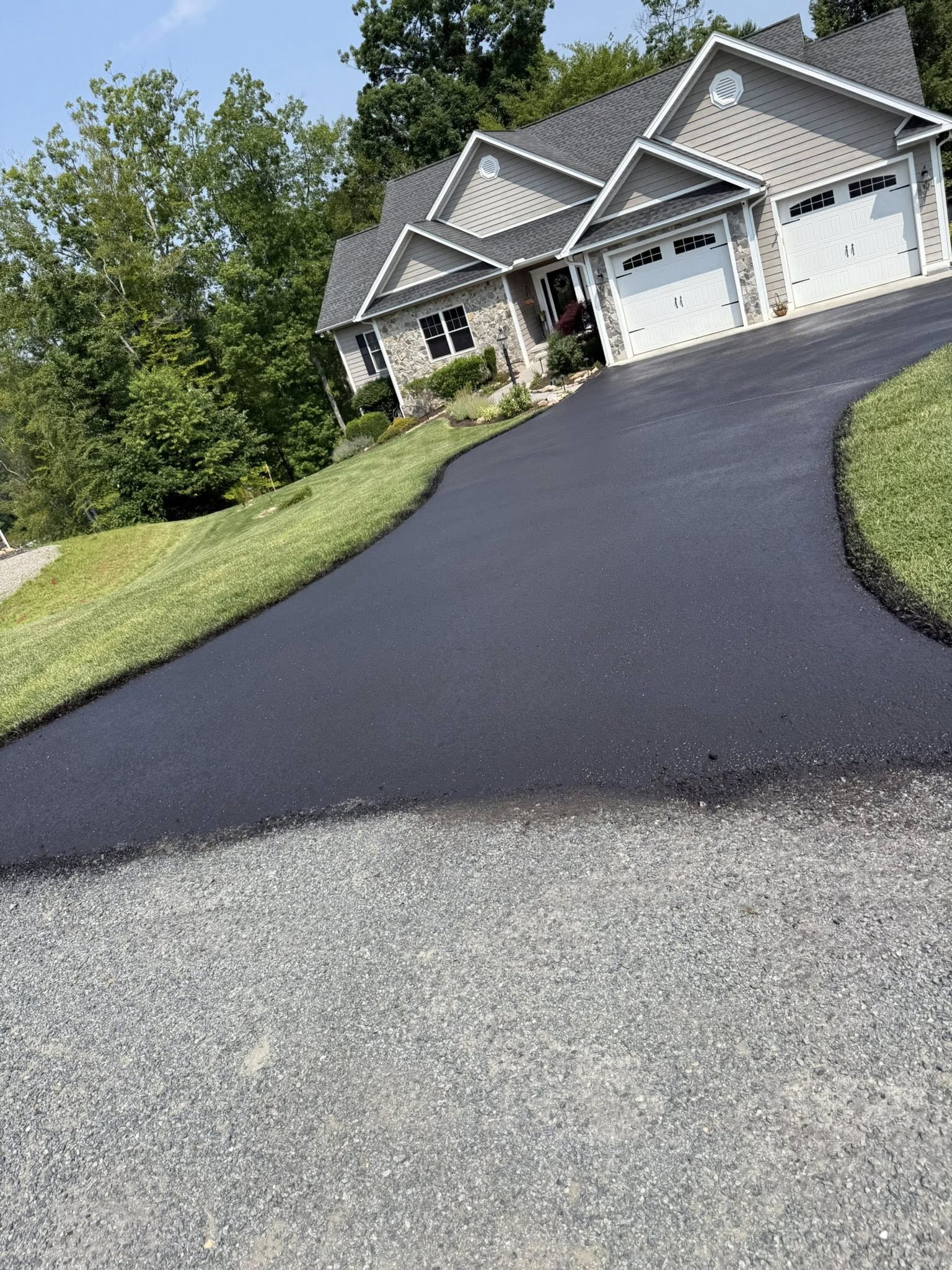
Another critical factor is your budget. Asphalt, for instance, is a popular choice for many due to its affordability and ease of installation. It offers a smooth surface ideal for various uses, from driveways to roads. However, it requires periodic maintenance, like sealcoating, which Gus’s Paving and Sealcoating excels in providing. On the other hand, interlocking pavers, although more costly upfront, offer long-term durability and a visually appealing design. They are particularly suited for areas where aesthetics play a crucial role.
Consider the load bearing capacity needed. For areas that will experience heavy vehicular usage, such as commercial parking lots or industrial spaces, materials like concrete or reinforced asphalt might be more appropriate. Concrete offers exceptional strength and minimal maintenance, making it a practical choice despite its higher initial cost compared to asphalt. Conversely, for a residential driveway or a patio where load isn't a significant concern, you might opt for gravel or pavers for their cost-effectiveness and decorative appeal.
The aesthetic aspect should not be overlooked either. The material you choose has a significant impact on the overall look of your property. Brick pavers offer a classic and timeless appeal, suitable for traditional homes, while concrete can be stamped or colored to match modern architecture. Evaluate the existing landscape and architectural style to make sure your choice harmonizes well with its surroundings.
Finally, sustainability is an increasing concern for many homeowners and businesses. Look for eco-friendly materials, such as permeable pavers, that allow water to pass through, reducing runoff and promoting groundwater recharge. Recycled materials are also becoming a popular choice among environmentally conscious consumers, providing an eco-friendly alternative without compromising quality.
In conclusion, choosing the right paving materials involves a blend of practical considerations and personal preferences. By prioritizing durability, cost, functionality, aesthetics, and sustainability, you can find the ideal material for your needs. At Gus’s Paving and Sealcoating, we are committed to helping you navigate these decisions with expert advice and professional service. Contact us today to discuss your project and let us help pave the way to a successful outcome.
/filters:no_upscale()/filters:format(webp)/media/3e165992-37e2-40dc-911b-f678d43b1bd3.jpg)
/filters:no_upscale()/filters:format(webp)/media/a969e7c9-5445-4085-b047-a80d28f184f8.jpg)